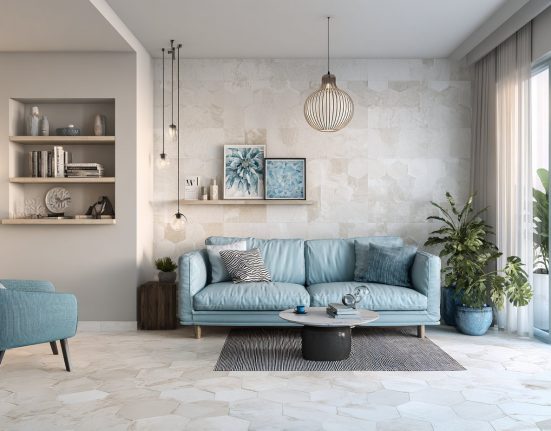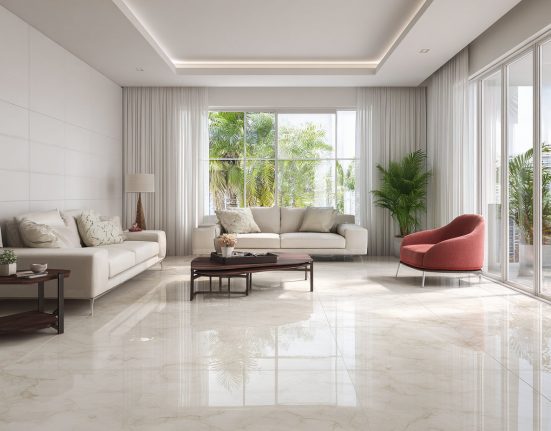
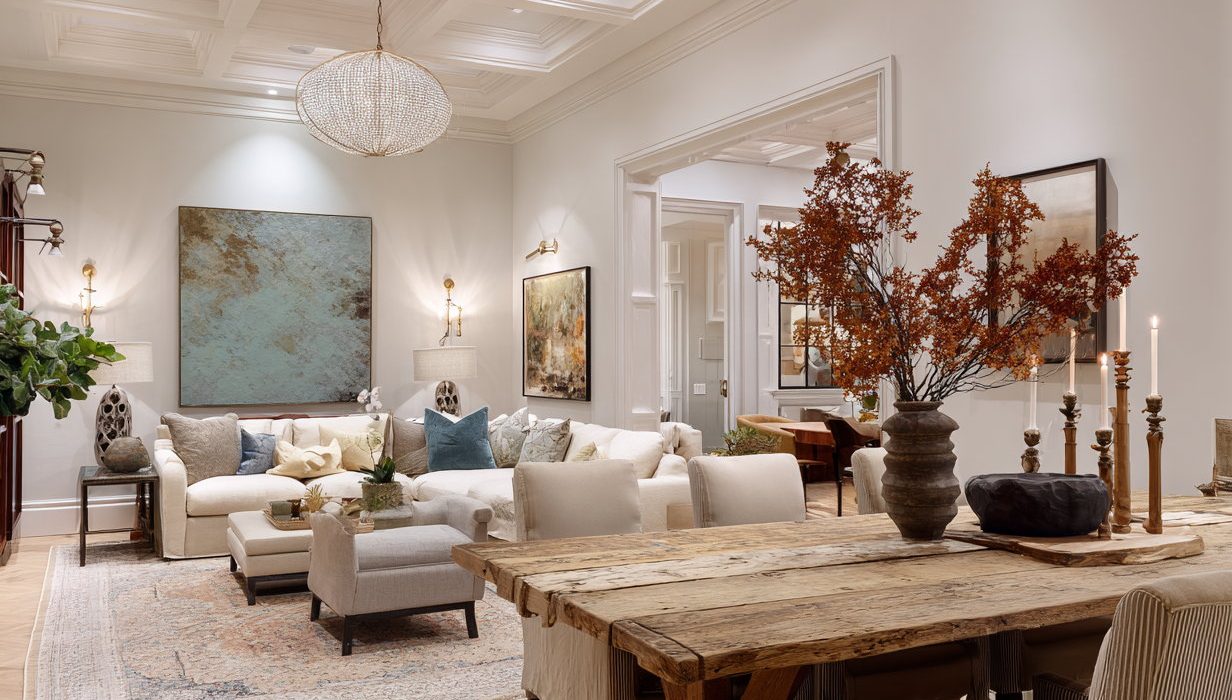
These design elements prove that subtlety in terms of light, texture and proportion can enhance your living room aesthetic.
In compact homes, subtle design gestures can make a living room visually expansive, providing a sense of comfort without sacrificing functionality. These minimalist living room ideas showcase how playing with natural light, and the right mix of clean lines and textures, can add personality by allowing the space to shine.
Framing Light
Natural light is the simplest way to make a small living room feel larger and more alive. Wide openings and sheer drapes can amplify the effect of sunlight, casting ever-changing moods across the space. But you don’t have to just invite natural light in—you can shape it. The size and form of openings can completely change the mood of a living room. Arched windows soften daylight into a gentle glow, while tall, narrow frames create a more dramatic play of shadows. Thoughtfully designed apertures let you control not only the quantity but also the quality of light, turning sunlight itself into a defining design element.
A Continuous Statement
Allowing one element—like a continuous wooden panel, a ribbon of lighting, or a bold material finish—to travel across walls, floors, or ceilings can anchor your space with a clear focal point. This approach draws the eye, adds rhythm, and creates a sense of flow without introducing visual clutter. One strong gesture is often more impactful than many smaller accents.
Break The Sofa Rule
Minimalist living room ideas for small spaces don’t mean sticking to standard sets—but quite the opposite. Stackable pieces like stools or nesting tables keep layouts flexible and adaptable. Bold, standout elements—such as a long community-style table that doubles as dining and workspace, or inbuilt bench seating that replaces bulky sofas—can create impact without overwhelming the room. The key is to choose furniture that is either multifunctional or architectural, so each piece earns its place while contributing to a seamless, spacious feel.
Tactile Minimalism
When the palette is pared back, texture becomes your best tool for impact. Lime-plastered walls, raw stone, ribbed wood, or even a single woven accent can add depth and visual weight without breaking the minimalist language. In small living rooms, these subtle layers create quiet drama, keeping the space calm yet tactile. The effect is simple but powerful—minimalism that feels rich, not flat.
Minimal, Not Monochrome
Minimalism doesn’t have to mean an all-white canvas. Choosing one bold, saturated hue and drenching the room in it—walls, ceilings, even furniture—can create a strikingly cohesive effect. A single shade grounds the space, simplifies the palette, and adds personality without clutter. Done thoughtfully, color can be just as serene as neutrals, while leaving a lasting visual impact.
(Door) Lines That Disappear
Flushed door lines are a subtle detail that will make a big difference in a small living room. By aligning doors with the wall surface and concealing frames or handles, you eliminate visual breaks that can clutter the eye. The result is a seamless, uninterrupted finish that amplifies the sense of space and keeps the focus on scale, texture, and light rather than on boundaries.
Partitions With Purpose
In a compact living room, partitions can and should double as design features. Picture a translucent screen that lets light through while defining spaces, or a bookshelf wall that can store and display. By experimenting with materials, patterns, and finishes, partitions become functional dividers and bold statement pieces in their own right.