When R.S. Sharma, a retired investment banker, bought a home in a swanky Gurgaon building, he opted for the interiors provided by the builder. However, he soon began facing issues such as leakages in the bedroom walls from the bathroom side, a musty smell, darkening of kitchen tiles, breaking slabs, and slippery washroom tiles. This created several problems in his home, and when he consulted an expert for solutions, he was told that the main failure lay in the tiles and their fittings. Although good-quality products had been used, the builder had not paid attention to selecting the right tiles for the right spaces, which resulted in these problems.
While Sharma learned his lesson, it came at a significant cost. Tiles play an important role in any home. They are not just decorative elements but also provide a layer of protection to walls and surfaces. It is therefore very important to choose the right tiles for the right places. Experts believe that purchasing the right kind of tiles is equally important because they form the base on which you walk. Glossy tiles in staircases and washrooms can be hazardous, while tiles with a rough surface in kitchens may turn counterproductive.
Interior Designer Shweta Kumar says, “While I do use tiles as an element of beautification, I also ensure that I chose the right one for the right place. Choosing a tile that does not fit into the ecosystem of a garden but still looks beautiful is something that should be completely avoided. Weather tiles which do not absorb water and blend well with nature work best here.”
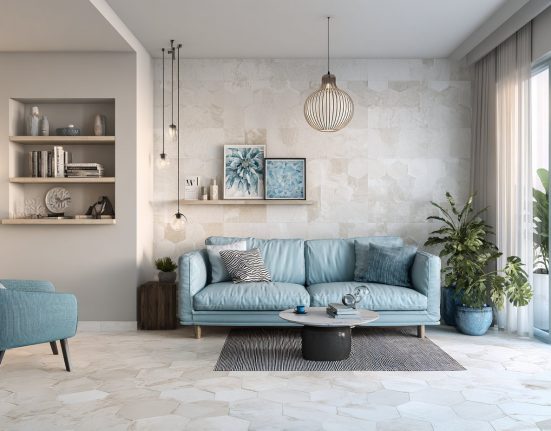
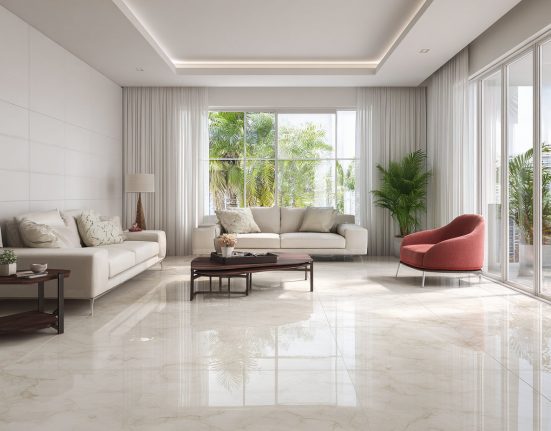
Living room design that is durable
We spoke to Abhishek Somany, MD and CEO of Somany Ceramics, who shares tips on how to choose the right tiles for your home. The living areas receive the most foot traffic and set the tone for the entire house. Keeping an air of elegance without constant maintenance is a common problem here. Although softer materials and natural stone may seem striking at first, they frequently need to be polished and maintained carefully to keep their finish.
Large-format ceramic tiles address this challenge quietly and effectively. Fewer grout lines create a seamless visual flow, making spaces feel calmer and more expansive, while also reducing areas that collect dust or discolour over time. Stone-inspired surfaces, such as those seen in collections from Somany among others, offer the richness of natural materials with far greater resistance to abrasion and everyday wear.
Finish plays an equally important role. Matt and soft-sheen surfaces found in design-led ranges diffuse light gently, reduce glare, and maintain visual harmony as interiors evolve. Neutral palettes with subtle tonal movement allow living spaces to adapt effortlessly to changes in furniture, art, and lighting. After establishing visual harmony, highlight accents come into play, and few options do this better than something like a premium decorative series, which introduce just the right breaks to draw attention and evoke admiration.
Kitchens: Where performance cannot be compromised
No room tests materials like the kitchen. Heat, moisture, oil splashes, stains, and constant movement are everyday realities. While some materials prioritise visual drama, they often reveal their limitations through stained joints, surface damage, or demanding maintenance routines. This has led many homeowners towards sintered large-format slab solutions. Some surfaces address multiple kitchen challenges discussed above and offer wide-ranging applications across countertops, walls, and floors. For striking backsplashes, Italian marble and glossy tiles remain hands-down choices for an instant visual impact.
Bathrooms: Safety and hygiene by design
The most careful surface planning is needed in bathrooms. Slip resistance is very important given the frequent exposure to water, especially around showers and sinks. Slip shield flooring solutions increase grip underfoot while preserving the look of the surface, thus ensuring safety in a discreet and green manner.
Alternatively, home owners can select from the range of glazed vitrified tiles in beautiful exotic marble shades that are shielded from germs. The patented anti, abrasion features provide these surfaces with more of their own strength. This rare dual-technology combination creates a win-win solution for both design connoisseurs and performance-centric sceptics. Once the foundation is set, it becomes possible to experiment with more personal and customised choices tuned to the personality that will inhabit the space. This brings us to bedrooms and other personal spaces such as study rooms.
Bedrooms: Comfort that feels natural
Bedrooms are deeply personal spaces. Once the functional and hygiene requirements of tiles are addressed, the focus shifts to premium offerings such as new-age finishes and textures. These include highly detailed, well-researched shades that remain true to their natural colour, depth, and texture over time.
Today, homeowners are willing to invest more in bedrooms to bring long-held aspirations to life as authentically as possible. Our recommendation is to sit at the drawing table with a designer and discuss requirements in detail for the right diagnosis. Creating, tweaking, and customising mood boards based on family preferences—with subtle yet noticeable accents helps achieve this balance. Most homeowners still prefer a soothing, calm atmosphere where daily worries, noise, and distractions come to rest. In such cases, gentle beiges and subtle greys, complemented by darker shades from the same colour family in skirtings and accents, work beautifully. Collections with stone, matt and elegant, nature inspired finishes offer instant and reliable choices.
Outdoor Areas: Built for exposure
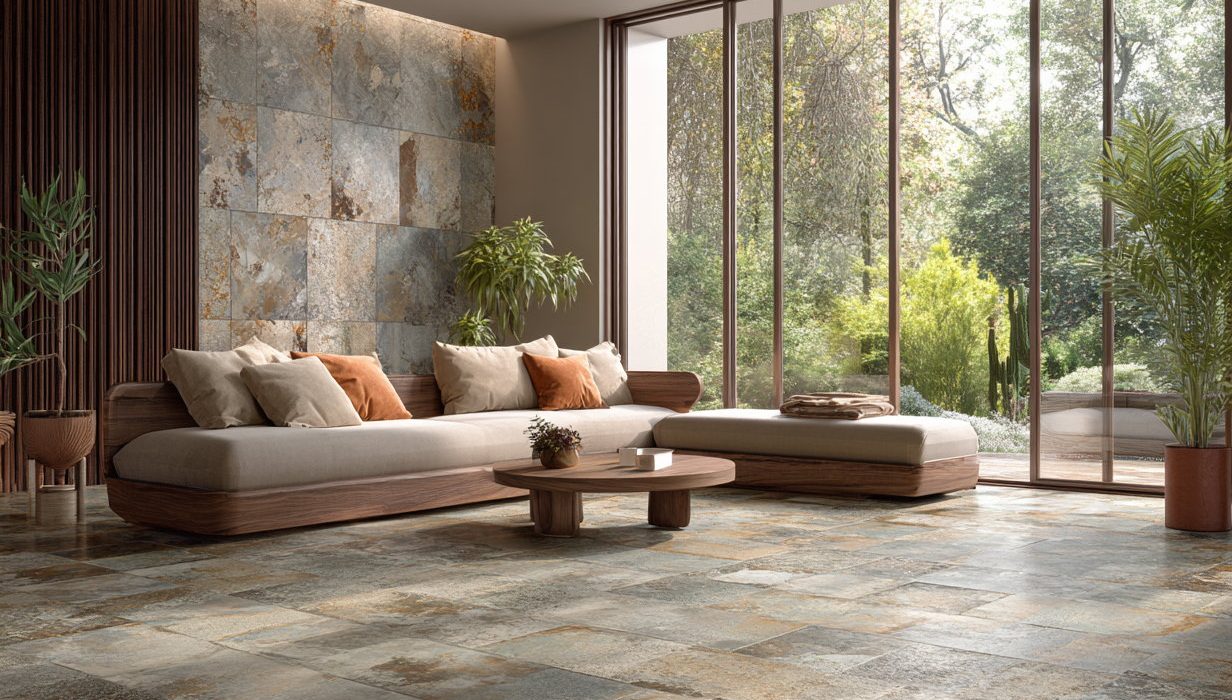
Outdoor spaces are often the most cherished where conversations begin, whether it is sharing future dreams, witnessing coming-of-age emotions, or simply sipping coffee on a recliner in the veranda while watching the sunset end the day. Tile requirements for outdoor areas are very different from indoor spaces, whether it is parking zones, verandas, patios, or terraces. Careful selection is essential. Balconies and terraces are at the mercy of the sun, rain, and temperature variations. So, tiles used outdoors need to be able to weather these conditions without breaking down. Surfaces designed to handle the temperature swings, such as those made with tempshield technology, help reduce heat stress, thus keeping the structure intact for a longer period. Heavy, duty vitrified tiles are the most suitable for outdoor settings. Thanks to their natural stone and cement looks, these outdoor spaces can visually connect with the interiors while still being in harmony with the nature around them. Not only do these tiles perform well, they are good looking too.
Tiles are a design element as well as a long-term investment, so they require a good deal of thought and planning. In order to make the right decision that will last, consult interior designers, look at design magazines, websites, and blogs, and go to brand showrooms to plan one room at a time strategically. Many surfaces available in the market, but advanced ceramic and porcelain tiles are distinguished. This is because they are made ready for everyday life: they will resist stains, moisture, heat, and wear; they only need minimal upkeep; and they will visually stay unchanged for a long time. Top tiles work without attracting the attention; they simply help a home to function, change, and get old; thus, they allow the spaces and the people living in them to be the center of attention.