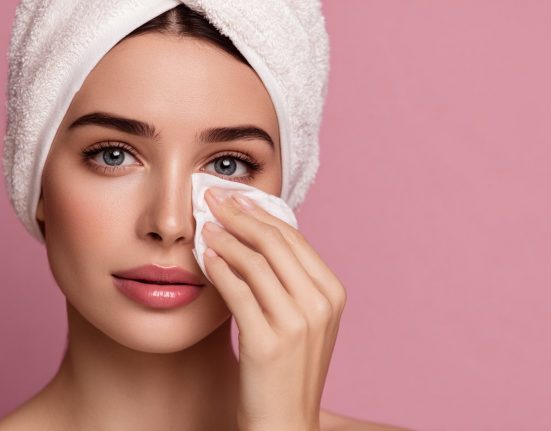

If you have oily skin, summer is your most challenging season. And you already know it.
The heat cranks up your sebaceous glands. Humidity makes everything worse. By mid-morning your face looks like it’s been lightly glazed, your makeup has migrated somewhere it wasn’t supposed to, and no amount of blotting seems to help for more than twenty minutes.
Here’s the thing though. Oily skin in summer is manageable. You just need the right approach, and more importantly, you need to stop doing the things that are quietly making it worse.
1. Cleanse Twice A Day, Not More
When your face gets oily, the instinct is to wash it more. It makes sense. But it’s one of the most counterproductive things you can do for oily skin in summer.
Over-cleansing strips your skin of its natural oils. Your skin responds by producing even more oil to compensate for what was lost. You wash again. It produces more. You end up in a cycle that leaves your skin simultaneously over-cleansed and excessively oily.
Twice a day is enough. Morning and night. Use a gentle foaming or gel cleanser that removes oil and sweat effectively without leaving your skin tight or squeaky after rinsing. That tight, squeaky feeling after washing is not clean skin. It’s a compromised skin barrier, and a compromised barrier in summer heat is a fast route to more breakouts, more redness, and more oil.
If you’ve been sweating heavily during the day, a quick rinse with plain water is fine. But resist the urge to cleanse a third time with your face wash.
2. Don’t Skip Moisturiser
This one surprises people with oily skin every time. Why would you add moisture to skin that’s already producing too much of it?
Because oily and hydrated are not the same thing. Your skin produces oil from sebaceous glands. It gets water hydration from a completely separate process. When your skin is dehydrated, it can actually overproduce oil to try and compensate for the lack of moisture. So skipping moisturiser when your skin feels oily often makes oil production worse over time, not better.
What you need to change is the formula. Ditch the heavy cream. In summer, a lightweight water-based gel moisturiser with glycerin or hyaluronic acid gives your skin the hydration it needs without adding any oil or heaviness to the surface. It absorbs quickly, leaves no residue, and keeps your skin balanced rather than pushing it into overdrive.
3. Switch To A Non-Comedogenic Sunscreen
Most people with oily skin either skip sunscreen entirely or use one that makes their oiliness significantly worse. Both are problems worth fixing.
Skipping SPF in summer is not an option, regardless of your skin type. UV damage accumulates silently and shows up years later as dark spots, uneven texture, and accelerated ageing. The fact that your skin is oily doesn’t protect it from any of that.
The solution is finding the right formulation. Heavy, creamy sunscreens were never designed for oily skin. Look for a gel-based or fluid sunscreen labelled non-comedogenic and oil-free. These formulas absorb quickly, don’t clog pores, and many of them leave a subtle matte finish that actually helps manage shine rather than contributing to it.
Apply it as the last step of your morning routine and reapply every two hours when you’re outdoors. Yes, every two hours. One morning, an application doesn’t last all day.
4. Add Niacinamide To Your Routine
If there’s one ingredient that genuinely changes the game for oily skin in summer, it’s niacinamide.
Niacinamide is a form of vitamin B3 and one of the most well-researched skincare ingredients available. It works by regulating sebum production at the source, which means your skin produces less oil throughout the day rather than you constantly managing the oil after it appears. It also minimises the appearance of enlarged pores, reduces redness, and fades post-breakout marks over time.
It’s gentle enough for daily use, morning and night, and works well alongside most other skincare ingredients without causing irritation. If you’re only adding one new product to your summer routine for oily skin, make it a niacinamide serum. Apply it after cleansing and before moisturiser.
5. Use A Clay Mask Once Or Twice A Week
Your daily cleanser removes surface oil and sweat. What it can’t do as effectively is reach deep inside the pore and pull out the buildup of sebum and debris that accumulates over days of heat and humidity. That’s what a clay mask does.
Kaolin and bentonite are the two most effective clays for oily skin. They work by drawing out excess sebum and impurities from within the pore, leaving your skin visibly cleaner and less congested than surface cleansing alone can achieve.
Apply it once or twice a week, leave it on for ten to fifteen minutes, and rinse with cool water. The important thing is to remove it before it starts cracking and pulling at your skin. That stage means it’s over-drying, which damages your barrier and triggers more oil production. You want it dry but not tight.
6. Watch What You’re Eating
This connection gets dismissed more than it should. What you eat directly influences how much oil your skin produces, and summer is when the effects are most visible.
Foods with a high glycaemic index, such as white bread, sugary drinks, processed snacks, and deep-fried foods, spike your blood sugar, which in turn elevates insulin levels. Elevated insulin stimulates your oil glands to produce more sebum. It’s a direct hormonal chain, and the research supporting it is solid.
Dairy, particularly full-fat milk, has also been linked to increased sebum production and acne in multiple studies, though the response is individual and not everyone reacts the same way.
In summer, eating more fresh fruits, vegetables, whole grains, and foods with a low glycaemic index genuinely helps keep oil production more manageable. Drinking enough water matters too. Dehydration pushes your skin to compensate with more oil, and in summer heat, most people are mildly dehydrated without realising it.
The Bigger Picture
Managing oily skin in summer isn’t about fighting your skin. It’s about working with it.
Your skin produces oil for a reason. It’s protecting you. The goal is to keep that production balanced, not eliminated. The right cleanser, a lightweight moisturiser, a good SPF, and a few targeted ingredients used consistently will do more for your skin this summer than any number of expensive products used haphazardly.
Pick one thing from this list to start with. Build from there.
FAQs
Why does my skin get oilier in summer?
Heat activates your sebaceous glands and increases sebum production. Humidity prevents sweat from evaporating properly, which mixes with oil on the surface and makes skin feel even more greasy. Both are normal physiological responses to heat.
Should I use a toner if I have oily skin in summer?
Yes, but choose carefully. An alcohol-free toner with niacinamide, salicylic acid, or green tea extract helps balance oil production and tighten pores without drying out your skin barrier. Avoid toners with high alcohol content as they trigger rebound oil production.
Can oily skin cause more breakouts in summer?
Yes. Excess sebum mixes with sweat, sunscreen residue, and environmental pollutants to block pores, which is exactly what causes breakouts. Cleansing twice daily and using a salicylic acid toner a few times a week helps significantly.
Is it okay to use blotting papers throughout the day?
Yes. Blotting papers remove surface oil without disturbing your skin barrier or your sunscreen the way washing would. They’re a practical midday solution that doesn’t worsen oil production.
What’s the best sunscreen for oily skin in summer?
Look for a gel-based or fluid sunscreen labelled oil-free and non-comedogenic with at least SPF 30. Many Indian brands now offer matte-finish SPF formulas specifically designed for oily and acne-prone skin that feel almost invisible on the face.
Can diet really affect oily skin?
Yes. High glycaemic foods spike insulin levels which stimulate oil gland activity. Reducing sugary drinks, processed snacks, and refined carbohydrates while increasing water intake and fresh produce makes a measurable difference in sebum production over time.