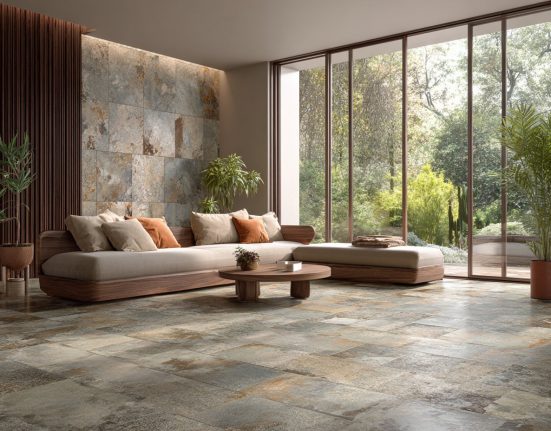
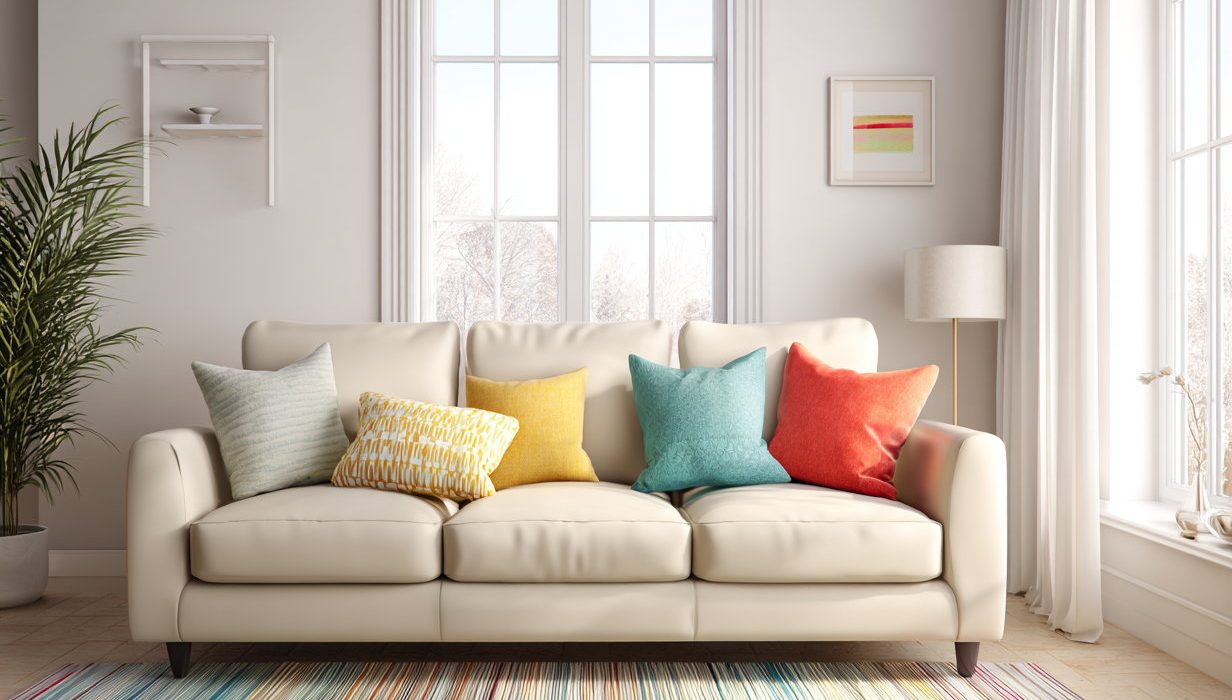
Space has become one of the biggest problems in big cities. The demand for housing is growing quickly as more and more people move to cities, but there isn’t enough land available. Residents have a tough choice to make: they have to choose between distance and space. Most of the time, apartments on the edge of a city are bigger, more open, and cheaper. Families who live in these areas can enjoy bigger rooms, more open spaces, and sometimes even green spaces. But the downside is that it takes a long time to get to work, school, and shopping centers. Apartments in the middle of the city, on the other hand, are convenient and easy to get to important places, business areas, and entertainment centers. But this ease comes at a high cost. People who live in the city center often have to get used to living in small spaces, even if they only have a small apartment. The high prices of homes show how competitive it is to get a central location, where land is hard to find and very valuable.
So, living in a big city often means giving up some comfort for convenience. People need to think carefully about whether they want bigger living spaces.
However, a few smart design moves can optimise spaces and make a small apartment look spacious.
Manju, Design Lead, MagickHome says, “Urban apartments are shrinking. Lifestyles are not. Over the past few years, we have designed a significant number of homes under 1,200 square feet. Almost every homeowner begins with the same sentence. “It feels small.” What they usually mean is, “It feels crowded.” Those are two very different problems. I remember a 980 square foot apartment where the dining table blocked access to the bedroom. The family assumed they needed to break a wall. We shifted the layout slightly, redesigned the storage, and reoriented the furniture. The walls stayed. The space opened up. Small homes rarely lack space. They lack strategy. ” Manju shares some other tips and tricks that can make a small flat look spacious.”
Movement before materials
In compact apartments, circulation determines comfort. If you have to twist your body to pass a console or adjust a chair every time someone walks by, the house will always feel tight. Before choosing finishes or colours, study movement. Door swings. Wardrobe clearances. Kitchen work triangles. In smaller layouts, inefficient circulation can quietly consume a surprising amount of usable area. When movement becomes effortless, the home immediately feels larger. Nothing new has been added. The friction has simply been removed.
Storage is architecture
In small homes, storage cannot be an afterthought. It must be embedded in the design from day one. Ceiling-height wardrobes eliminate dead zones. Hydraulic beds create substantial concealed storage. Window ledges can be deepened to house drawers. Television back panels can hide shallow shelving. But there is a balance. Oversized overhead cabinets in narrow rooms may add capacity but they visually compress the space. Good storage should be almost invisible. When everything has a designated place, visual noise reduces dramatically. And visual calm translates into spatial generosity.
Think in volume not just square feet
Homeowners measure the area. Designers measure volume. Vertical height is often the most underused asset in an apartment. Taking cabinetry up to the ceiling can significantly increase storage without touching the footprint. Vertical grooves, tall mirrors, and elongated panels guide the eye upward and enhance perceived height.
Light is structural
In compact homes, light is not decorative. It is structural. Heavy partitions and dark finishes absorb space. Sliding systems, glass panels, and lighter palettes allow daylight to travel uninterrupted. That continuity alone can change how large a home feels. Layered lighting also matters. A single central fixture flattens a room. Cove lights, under-cabinet strips, and soft wall lighting create depth. Depth creates dimension. Dimension creates comfort. The way a home is lit can influence perception more than the way it is furnished.
Define without dividing
Small apartments still need zoning. Living, dining, working, and resting cannot collapse into one undefined area. The solution is subtle demarcation. Rugs, ceiling variations, open shelving, and sliding partitions create boundaries without blocking light or airflow. Maintaining consistent flooring across major spaces prevents visual breaks and helps the apartment read as one cohesive volume. Separation should guide, not confine.
Every piece must earn its footprint
Compact homes demand discipline. If a piece of furniture serves only one purpose and occupies significant space, it must justify itself. Sofa-cum-beds, extendable dining tables, storage benches, and fold-down study units work well in urban apartments because they adapt. But multifunctionality should not compromise comfort. A poorly designed convertible sofa becomes a daily inconvenience. Flexibility must feel effortless. In small homes, excess is expensive.
Corners are strategy, not leftovers
In larger homes, corners are decorative opportunities. In compact homes, they are strategic assets. A narrow niche can become a study pod. A window bay can transform into a reading bench with storage below. Even balconies can function as vertical gardens with foldable seating. These micro interventions add real utility without increasing area.
The discipline of editing
Perhaps the most powerful principle in small apartment design is restraint. Too many finishes, too many colours, too many accent walls can visually shrink a room. A controlled palette creates calm. Negative space allows the eye to rest. Texture, when used thoughtfully, adds richness without heaviness. Sophistication in compact homes is not about adding more. It is about editing better. After working across numerous urban apartments, one truth stands out. When layout is intentional, storage is engineered early, and light is treated as a design tool, even a modest footprint can feel expansive. Square footage is fixed. Perception is not. In compact living, intelligence is the ultimate luxury.