
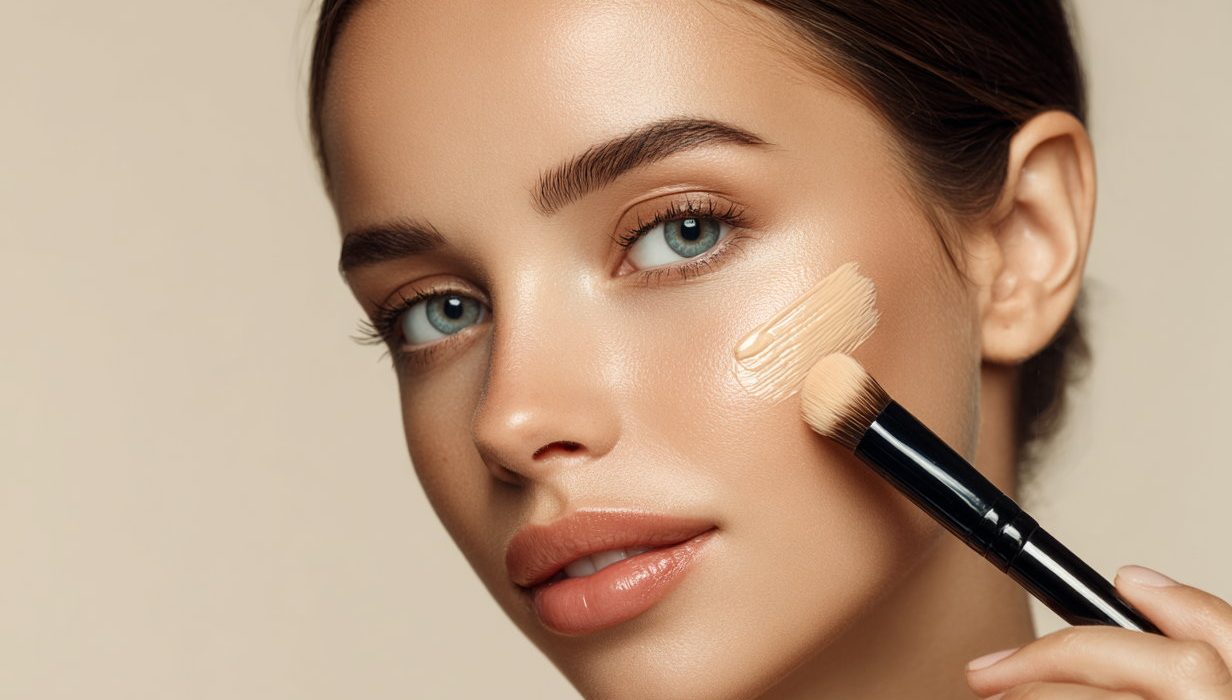
Makeup can instantly elevate your appearance, but when it looks patchy, creases quickly or feels uncomfortable, the issue often lies beyond technique. More often than not, makeup fails to perform well because it doesn’t align with your skin type. Understanding what your skin needs is the first and most important step toward achieving a flawless, long-lasting makeup look.
Every skin type behaves differently and reacts uniquely to cosmetic products. When foundations don’t blend seamlessly, concealers crease, or powders cling to dry areas, it’s usually a sign that the formulation doesn’t match your skin’s natural characteristics. Selecting makeup based on skin type not only improves appearance but also helps maintain healthy skin by reducing clogged pores, irritation and unnecessary breakouts.
Oily skin typically produces excess sebum, which can cause makeup to slide off or appear shiny within hours. For this skin type, lightweight, oil-free products are ideal. Matte or semi-matte foundations help control shine and stay put longer, especially in humid climates. Using setting powders and primers designed to reduce oil can further enhance longevity.
Dry skin, on the other hand, requires nourishment along with coverage. Creamy and hydrating formulas work best as they prevent makeup from settling into fine lines or emphasising flaky patches. Foundations with dewy or satin finishes add a natural glow and keep the skin looking fresh and healthy throughout the day.
Combination skin presents a mix of concerns, often with an oily T-zone and drier cheeks. The key here is balance. Using mattifying products where oil tends to build up and hydrating formulas on drier areas ensures an even, harmonious finish. Multi-tasking or hybrid products can be particularly useful for this skin type.
Sensitive skin demands extra care, as it reacts easily to harsh ingredients. Fragrance-free, mineral-based and hypoallergenic products are generally safer choices. These formulations are gentler, more stable and less likely to cause redness, itching or irritation.
Normal skin is the most versatile and adaptable. With fewer concerns to manage, individuals with this skin type can experiment with a wide range of textures, finishes and coverage levels depending on personal preference and occasion.
Building a makeup kit becomes much simpler once you know your skin type. A good primer helps smooth the base and improves wear time. Foundation evens out the complexion, while concealer brightens under-eyes and hides imperfections. Blush adds a healthy flush, and a subtle highlighter brings dimension and glow.
For eye makeup, mascara is a staple as it instantly opens up the eyes. A neutral eyeshadow palette offers flexibility, working equally well for understated daytime looks and bold evening styles. Completing the look with a lipstick or gloss that complements your undertone ties everything together.
Ultimately, makeup should feel effortless, not heavy or uncomfortable. Cleansing and moisturising before and after application is essential, as is wearing sunscreen during the day. When makeup aligns with your skin type, beauty routines become simpler, more effective and far more enjoyable.